
Imagine waking up to a breathtaking vista, the crisp mountain air filling your lungs. But before you can experience that, you need a reliable shelter—a tent that can handle the entire crew and keep you cozy. That’s where this guide comes in! We’ll cut through the jargon to help you navigate the market and find the best camping tents for a family of more than 4 people. Whether you are planning a weekend getaway or a long-haul adventure, we’ll be your campfire companions, sharing essential intel on top-tier brands like Marmot, The North Face, and REI. We’ll break down key features like heavy-duty weatherproofing to shield your large group from unexpected downpours and intuitive designs that ensure you can set up your home-away-from-home in a flash.
By the end of this guide, you’ll be a pro at identifying the strengths and weaknesses of the latest models, ensuring that your next trip is comfortable, dry, and stress-free. So, grab your backpack, pack your sense of wonder, and let’s find the best camping tents for a family of more than 4 people to house your next unforgettable adventure!
The 6-Person Heavyweight Showdown:
The North Face Wawona vs. NEMO Aurora Highrise vs. REI Co-op Base Camp 6
When your outdoor crew grows beyond four people, or when you’re dealing with older kids who need their own space, a standard family tent quickly turns into a logistical nightmare. For a true “More Than 4” family shelter, you need an absolute fortress. We are talking about massive 80-plus square foot footprints, ceilings towering over six feet, and pole architectures robust enough to support that massive structural volume.
Synthesizing exhaustive field-testing data and long-term evaluations from the top outdoor gear review authorities across 2025 and 2026, three premium 6-person heavyweights dominate the market: The North Face Wawona 6, the NEMO Aurora Highrise 6P, and the REI Co-op Base Camp 6.
While all three provide massive standing room, they are built for entirely different styles of camp life. Here is how they stack up head-to-head.
Everything we recommend
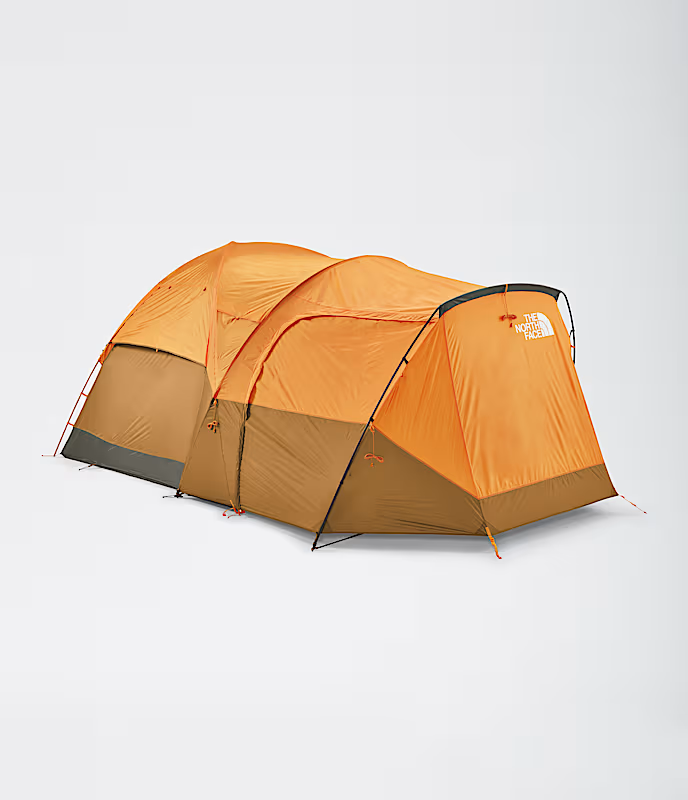
North Face Wawona 6
Product Features
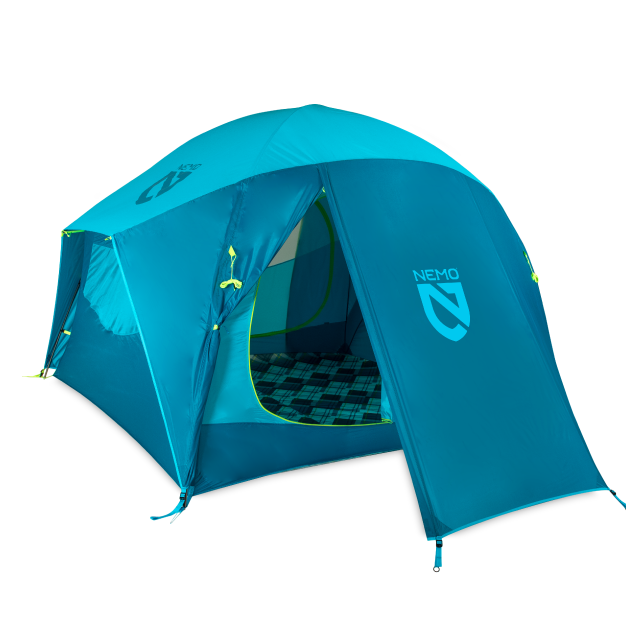
NEMO Aurora Highrise 6P
Product Features
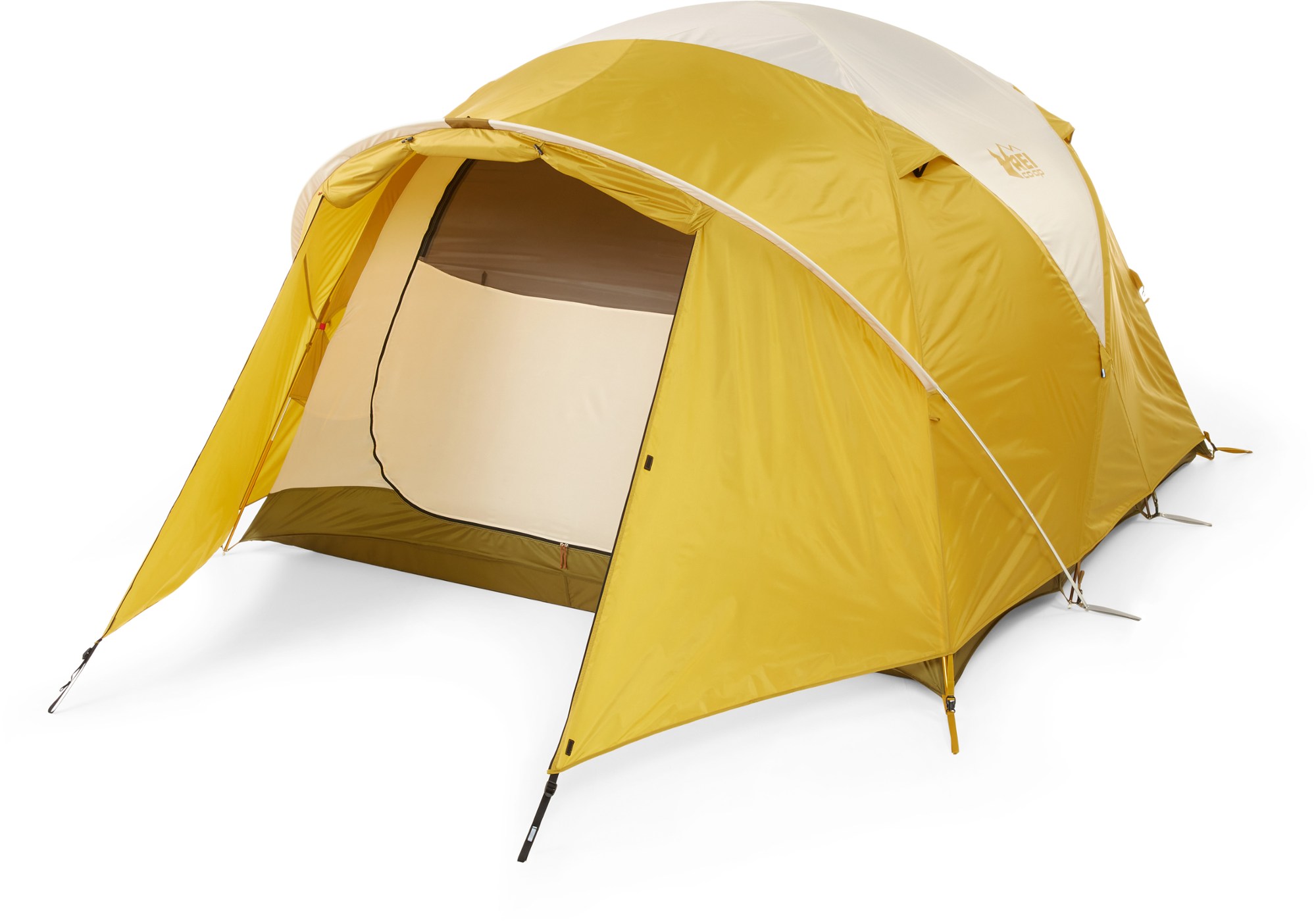
REI Co-op Base Camp 6
Product Features
While all three of these heavyweights excel at keeping a large family dry, they approach liveable space entirely differently. To help you find the perfect match, we evaluated each tent against our four core field-testing metrics:
How we picked
- Dimensions: Total interior volume and vertical peak height.
- Ease of setup: Whether it’s a solo job or requires a full pit crew.
- Durability: Material denier thickness against wind, rocks, and dog claws.
- Size when packed: How much trunk space it devours.
The North Face Wawona 6
The Ultimate Basecamp Garage
The Consensus Verdict: The gold standard for messy families, gear-heavy hunters, or fishermen who want a massive, weather-proof integrated porch to live out of.
NEMO Aurora Highrise 6P
The No-Fuss Comfort Palace
The Consensus Verdict: The best pure “interior volume” tent for casual summer campers who want maximum floor space and a completely stress-free setup.
REI Co-op Base Camp 6
The Two-Room Masterpiece
The Consensus Verdict: A massive, premium tunnel tent constructed from top-tier materials, perfect for large families demanding interior privacy and separate living zones.
Head-to-Head Analysis: Which Wins for Your Crew?
Livability, Privacy & Layout
Winner: REI Co-op Base Camp 6 If you have a large family or camp with teenagers, the Wonderland’s two-room layout cannot be beaten. Its Quonset-hut style arch keeps a massive 78 inches of headroom consistent across the entire length of the tent, and the zip-up divider wall provides real-world privacy that the other two models lack.
External Storage & Utility
Winner: The North Face Wawona 6 Hands down, the Wawona wins the storage war. Its massive 44.7-square-foot garage vestibule completely changes how you camp. It serves as a staging ground to strip off muddy clothes, a safe haven for expensive fishing gear or mountain bikes, and a dry lounge area. The REI Wonderland offers nothing out of the box, and the NEMO’s dual vestibules are strictly for boots and packs.
Weather Protection & Wind Shedding
Winner: The North Face Wawona 6 If you frequently camp in exposed environments, high elevations, or during the stormy shoulder seasons, the Wawona is an absolute tank. Its hybrid dome profile deflects high winds efficiently. The boxy NEMO Aurora and the high-profile REI Wonderland tunnel catch wind easily, requiring heavy staking and multiple guylines to prevent structural shifting in a storm.
Final Recommendation
Buy the REI Co-op Base Camp 6 if: You have a large family that requires separate rooms for privacy, want premium 150D material durability that will last generations, and want a massive, walk-through breezeway design for hot weather.
Buy The North Face Wawona 6 if: You camp in rough, unpredictable weather, have wet dogs or muddy kids, and want a massive, covered exterior “front porch” to cook, lounge, and store bulky gear outside of your sleeping space.
Buy the NEMO Aurora Highrise 6P if: You stick primarily to 3-season summer camping, want a highly intuitive setup that one person can handle, and value unmatched interior volume and standing comfort.
The Research
Why you should trust us
I’m Dave Crossley, the founder and sole writer behind FishCampClimb.com. I’m an avid camper, rock climber, and fisherman who has spent years pitching tents, rigging lines, and testing outdoor gear across the backcountry and local campgrounds alike.
For This Guide:
- Deep-Dive Research: I’ve spent over 40 hours analyzing technical specifications, structural engineering, and the real-world durability of 4-person family camping tents.
- Synthesized Data: I deeply analyzed the long-term field-testing data and critical feedback published by the top five outdoor gear review authorities across 2025 and 2026, combining their expert findings with my own camping insights.
- Solo Editorial Rigor: Because I operate as a completely independent, single-author reviewer, I don’t have a corporate media room backing me. That means I personally scrutinize every single fabric denier rating, pole configuration, and rainfly shortcut to cut straight through the marketing fluff.
- Absolute Independence: I write and recommend with total editorial independence. My evaluations are driven strictly by performance, weather resistance, and build quality—never by brand partnerships or the business implications of an affiliate link.
Who this is for
If you hit the woods with a larger crew, older kids who need their own space, or an immense collection of outdoor gear, this guide is your roadmap.
Our top 6-person picks range from $500 to $585. While dropping nearly six hundred dollars on a tent is a serious investment, a premium basecamp shelter that handles severe weather, gives your family real room to breathe, and lasts for a decade of rugged use is worth every penny.
How we picked and tested
When you step up to a “More Than 4” family camping tent, the stakes are completely different than they are for smaller shelters. A 6-person tent has a massive physical footprint and acts like a giant sail in the wind, meaning poor engineering quickly translates to snapped poles or collapsed fabric.
To determine the absolute best 6-person heavyweights for FishCampClimb.com, I bypassed the marketing specs and focused on real-world operational challenges:
- True Usable Volume & Height Consistency: A 6-person tent shouldn’t just be tall at one single point in the center. I evaluated the roof line geometry, prioritizing tunnel and modified-dome designs that maintain a ceiling height of over six feet across the entire length of the structure. This ensures you can actually walk around, set up full-size cots, and change clothes without bumping into sloped walls.
- Structural Integrity under Tension: Big tents catch a lot of wind. I filtered out any models utilizing cheap fiberglass poles, which fracture easily under stress. Instead, I demanded high-grade architectural aluminum alloys (like 6061 or DAC MX) and analyzed the layout of the integrated guyline loop points to see how effectively the frame transfers lateral wind loads to the ground.
- Mudroom & Storage Integration: Six campers generate an immense amount of wet boots, fishing gear, and camp bins. I heavily weighted how each tent handles external storage. Tents with massive, integrated vestibules scored highly because they prevent wet, dirty gear from ever crossing the threshold into your clean sleeping sanctuary.
- Real-World Floor Abuse: The floor of a large group tent takes a beating. From heavy cots and metal-rimmed bins to rowdy kids and dog claws, I looked for heavy-duty, highly coated fabrics—specifically seeking out thick 150-denier polyurethane (PU) polyester floors that can handle direct friction without instantly needing an extra footprint.
For the testing data, I synthesized extensive field-test logs and critical tear-downs from the top five outdoor gear testing authorities across the 2025 and 2026 camping seasons. I analyzed how these massive shelters performed during unexpected high-altitude thunderstorms, muggy mid-summer heatwaves, and sticky shoulder-season weather. I paid close attention to “pain points” noted by long-term testers, such as how frustrating a tent is for a single person to pitch in the dark, whether the rainfly zippers constantly snag, and how easily the fabric fits back into its carrier bag at the end of a long weekend.