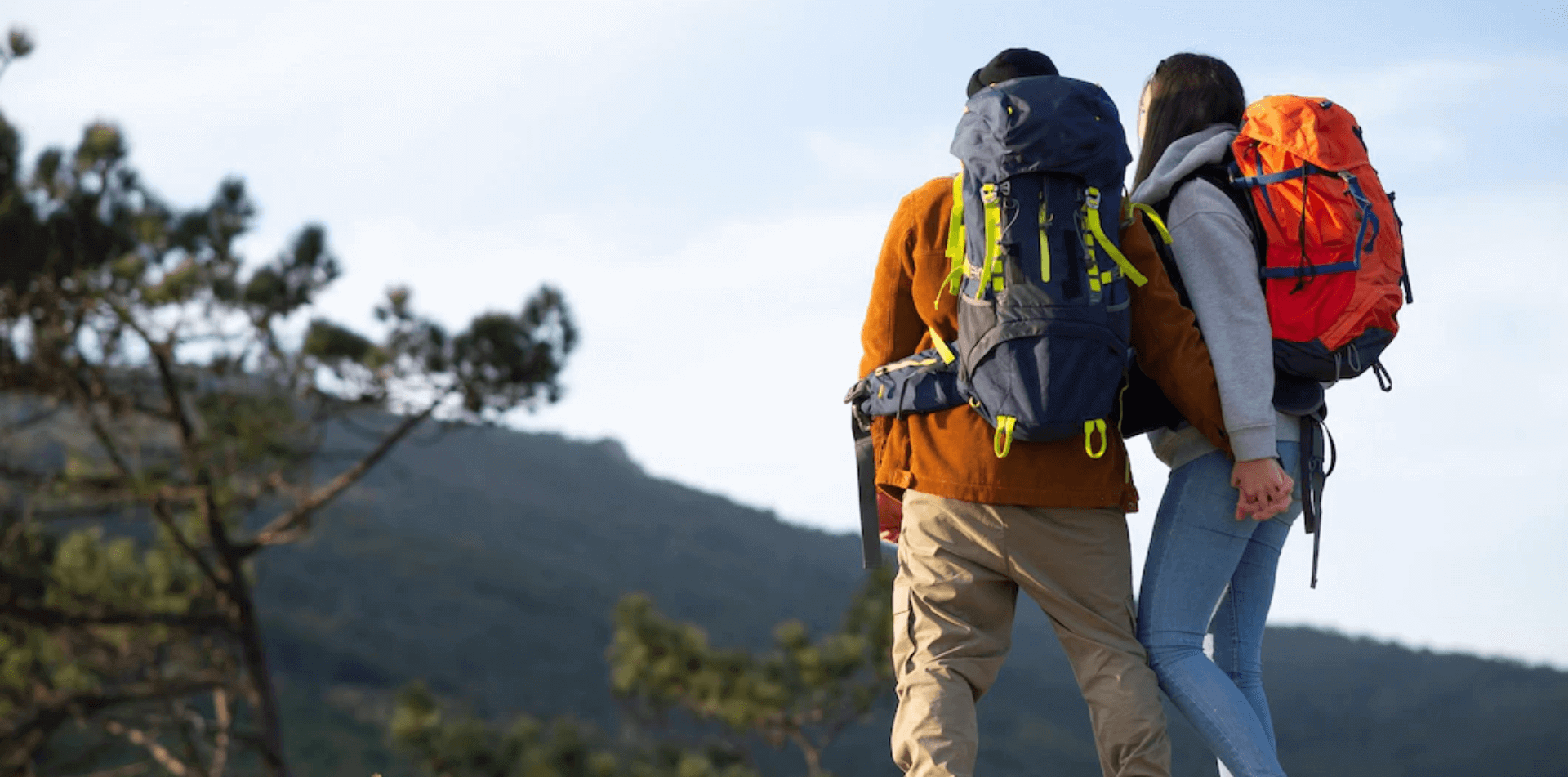
When you are carrying your entire life on your back for days at a time, your pack is the single most critical link between an unforgettable wilderness experience and physical misery. A poorly fitting or badly engineered multi-day pack doesn’t just feel heavy—it actively transfers punishing hot spots to your shoulders, bruises your hips, and throws off your balance on technical terrain.
To help you cut through the marketing noise, we looked past basic capacity numbers to evaluate how modern heavyweights perform under real-world load stress. Based on long-term evaluations, three standout packs dominate the current landscape: the Osprey Atmos/Aura AG 65, the Osprey Exos/Eja 58, and the REI Co-op Trailmade 60.
The Multi-Day Backpack Showdown:
Osprey Atmos/Aura AG 65, the Osprey Exos/Eja 58, and the REI Co-op Trailmade 60.
While all three are built to swallow a weekend’s worth of gear, they approach life on the trail entirely differently. Here is how they stack up head-to-head.
Everything we recommend
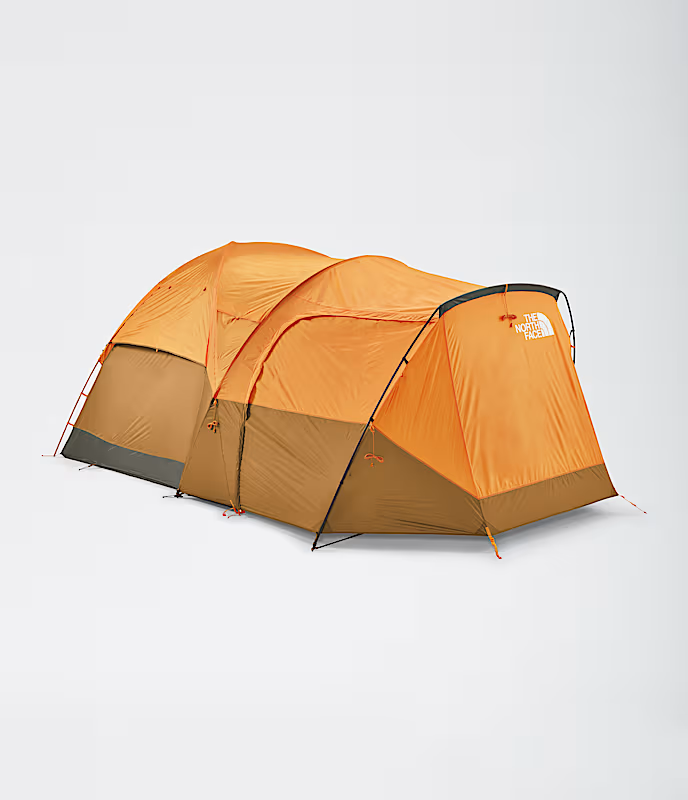
Osprey Atmos AG 65
Women’s Equivalent: Aura AG 65
• Ultimate Heavy-Load Comfort
• Premium Anti-Gravity Suspension
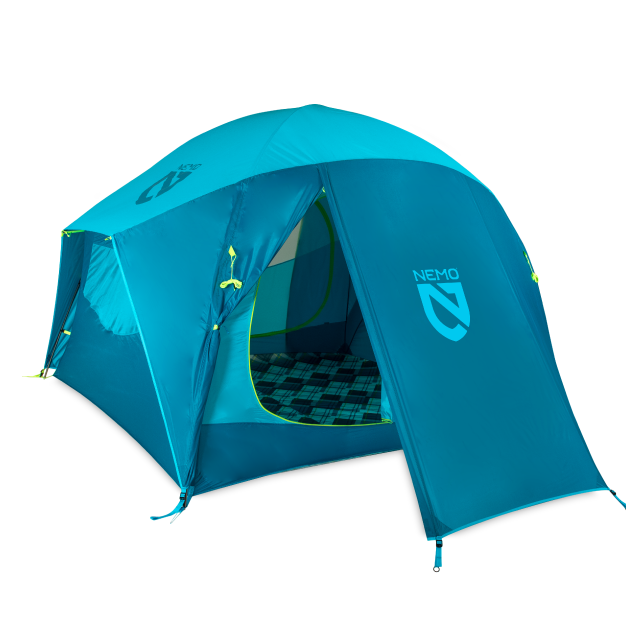
Osprey Exos 58
Women’s Equivalent: Eja 58
• Ultralight Stripped-Down Build
• Highly Breathable Mesh Backing
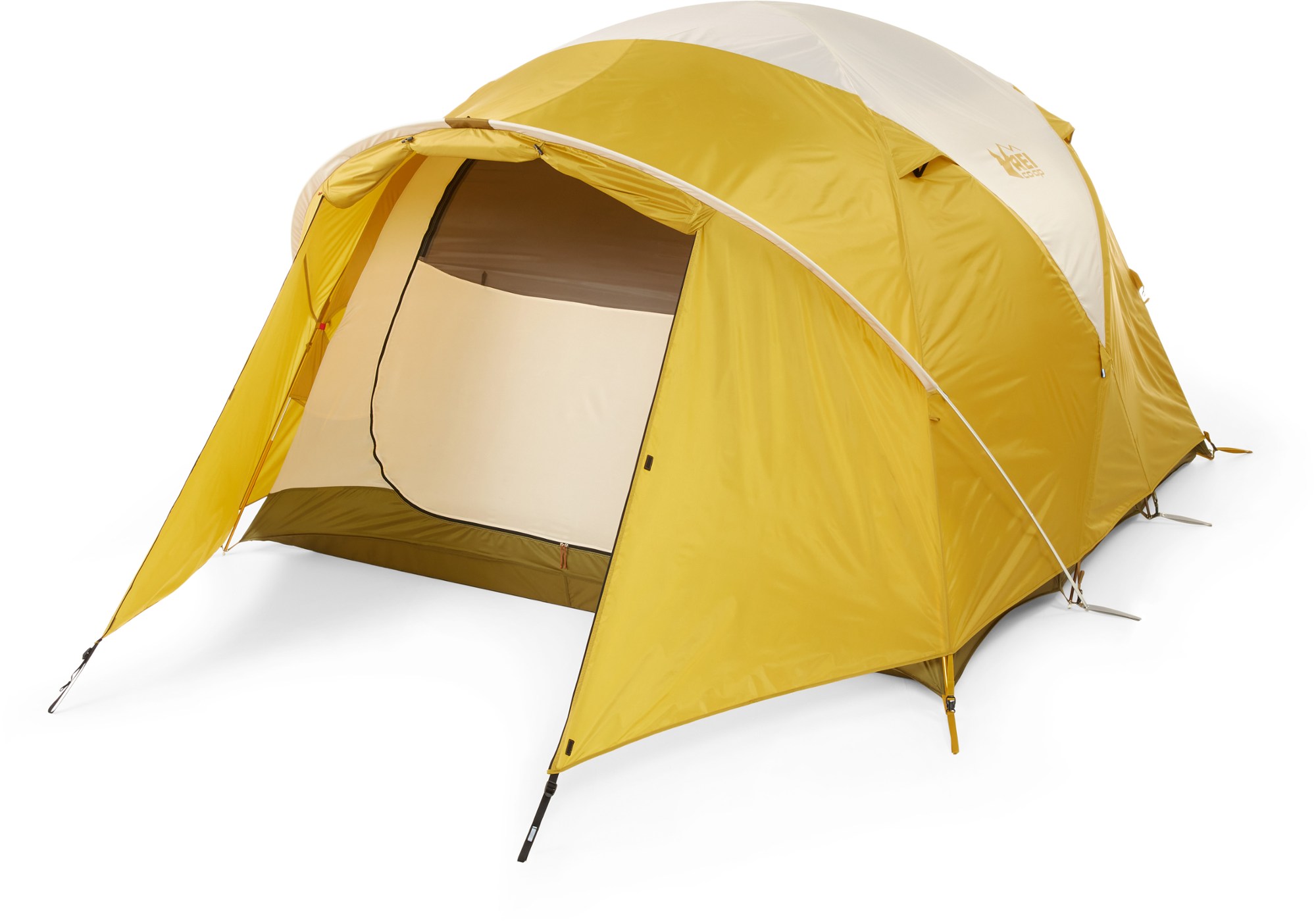
REI Co-op Trailmade 60
Design: Unisex / Highly Adjustable
• Included Custom-Fit Rainfly
• Best Value for Entry Backpackers
While all three of these heavyweights excel at hauling a weekend’s worth of gear, they approach suspension engineering and weight distribution entirely differently. To help you find the perfect match, we evaluated each pack against our four core field-testing metrics.
How we picked
- Load Transfer: Vertical rigidity and frame stay strength to channel weight directly to the hips.
- Ventilation: Tensioned mesh back panels that maintain a physical air gap to maximize cross-flow cooling.
- Pivoting Hipbelt: Dynamic, articulating articulation that conforms to natural motion to eliminate trail hot-spots
- Base Durability: Heavy-duty fabric denier counts engineered to withstand abrasive granite, trail friction, and rough ground abuse.
Osprey Atmos AG 65 / Aura AG 65 — The Ultimate Comfort King
Tested: Osprey Atmos AG 65 (Men’s) / Aura AG 65 (Women’s)
The Consensus Verdict: The gold standard for backpackers prioritizing plush, hot-spot-free carrying comfort and immaculate gear organization over saving every single ounce.
Osprey Exos 58 / Eja 58 — The Lightweight Speedster
Tested: Osprey Exos 58 (Men’s) / Eja 58 (Women’s)
The Consensus Verdict: The perfect match for gram-counting backpackers and thru-hikers who have already minimized their gear weight but still want a structured, well-ventilated frame.
REI Co-op Trailmade 60 — The Budget Workhorse
Tested: REI Co-op Trailmade 60 (Unisex / Highly Adjustable)
The Consensus Verdict: An unbeatable, bulletproof entry point for beginners and casual weekend warriors who want maximum durability and straightforward utility without a $300+ price tag.
Head-to-Head Analysis: Which Pack Wins for Your Setup?
Overall Utility & Performance
Winner: Osprey Atmos AG 65: When evaluating pure load hauling capability across 2025 and 2026, nothing matches the Atmos’s ability to turn a brutal 45-pound gear haul into a stable, balanced extension of your spine. Its internal structural perimeter frame handles heavy winter loads or extended water carries without buckling or slipping.
Storage & Ease of Use
Winner: Osprey Atmos AG 65: While the Exos thrives on minimalism, the Atmos features an incredibly functional dual-compartment lid, a dedicated sleeping bag base zipper, and twin exterior face pockets that make grab-and-go trail items incredibly accessible without destroying your internal packing layout.
Weather, Rain & Mud Protection
Winner: REI Co-op Trailmade 60: In a surprising twist for a budget pack, the Trailmade 60 takes the crown here by including a custom-fit, high-visibility integrated rainfly directly in its base pocket. Both premium Osprey models require you to purchase an aftermarket rain cover separately.
Final Recommendation
Buy the Osprey Atmos AG 65 (or Aura AG 65) if: You carry heavy, gear-intensive loads, are prone to lower back or shoulder soreness, and want a luxurious, heavily organized pack with premium ventilation that makes a 15-mile day feel manageable.
Buy the Osprey Exos 58 (or Eja 58) if: You have a highly optimized, lightweight base gear list, want to move fast on the trail without fighting empty pack weight, and still demand a real, tensioned frame that keeps the fabric off your sweaty back.
Buy the REI Co-op Trailmade 60 if: You are diving into backpacking for the first time, need a highly adjustable frame that can grow with a teenager or adapt to multiple family members, and want an indestructible, rainfly-included setup for under $200
The Research
Why you should trust us
I’m Dave Crossley, the founder and sole writer behind FishCampClimb.com. I’m an avid camper, rock climber, and fisherman who has spent years pitching tents, rigging lines, and testing outdoor gear across the backcountry and local campgrounds alike.
For This Guide:
- Deep-Dive Research: I’ve spent over 40 hours analyzing technical specifications, structural engineering frameworks, and the real-world load-hauling dynamics of multi-day backpacking packs.
- Combed and Compiled Data: For the testing data, I combed through and compiled the extensive field-test logs and technical tear-downs from the top five outdoor gear testing authorities across the 2025 and 2026 seasons, combining their expert architectural findings with my own trail insights.
- Solo Editorial Rigor: Because I operate as a completely independent, single-author reviewer, I don’t have a corporate media room backing me. That means I personally scrutinize every single fabric denier rating, frame stay alloy configuration, and hipbelt tensioning system to cut straight through the marketing fluff.
- Absolute Independence: I write and recommend with total editorial independence. My evaluations are driven strictly by structural performance, carrying comfort, and build quality—never by brand partnerships or the business implications of an affiliate link.
Who this is for
If you are planning to hit the backcountry for an extended weekend, need a suspension system capable of converting a heavy load into a stable extension of your spine, or want a reliable gear hauler that handles rugged trail miles without causing body misery, this guide is your roadmap.
Our top multi-day pack picks range from $189 to $370. While investing a few hundred dollars in an expedition-grade harness is a serious commitment, a premium suspension system that actively protects your lower back, breathes efficiently on uphill climbs, and handles years of grinding abuse on rough granite is worth every single penny.
How we picked and tested
When you step up to a multi-day backpacking pack, the stakes are completely different than they are for a casual daypack. A 60-liter pack carries your entire survival system, acting as the primary point of physical contact for hours of continuous movement, meaning poor suspension engineering quickly translates to compressed nerves, raw skin, or throw-off balance on steep drops.
To determine the absolute best multi-day haulers for FishCampClimb.com, I bypassed the marketing specs and focused on real-world operational challenges:
- Load Transfer & Sag Resistance: A premium pack shouldn’t collapse down onto your lumbar pad under weight. I evaluated frame stay vertical rigidity, prioritizing spring steel or high-grade peripheral aluminum architectures that effectively channel 80% of the total pack weight directly down to your iliac crest hip bones, freeing your shoulders from downward strain.
- Contact Point Ventilation: Heavy padding often traps intense body heat. I analyzed back panel geometry, demanding a clear, tensioned mesh physical gap between the pack body and the hiker’s spine to optimize cross-flow evaporation during hot, high-exertion ascents.
- Dynamic Hipbelt Articulation: As you step over fallen logs or scramble up loose scree, your hips tilt dynamically. I heavily weighted how seamlessly the hipbelt padding pivots and moves with your body, filtering out stiff, unyielding designs that cause friction hot-spots on the hip bones.
- Abrasive Ground Abuse: Backpacks get dropped on sharp granite, scraped against thorns, and tossed into dirt camps. I closely analyzed fabric denier counts across the high-wear bottom and front panels, ensuring the materials could handle heavy friction and direct moisture without instantly tearing.
For the testing data, I cross-referenced and consolidated the real-world field logs from the top five outdoor gear testing authorities across the 2025 and 2026 seasons. I analyzed how these suspension systems performed during unexpected high-altitude mountain downpours, muggy mid-summer heatwaves, and grueling elevation gains. I paid close attention to “pain points” noted by long-term testers, such as whether hipbelt pockets can be unzipped with a single hand while moving, how easily load lifters adjust on the fly, and whether the harness materials squeak under load over a long weekend., whether the rainfly zippers constantly snag, and how easily the fabric fits back into its carrier bag at the end of a long weekend.