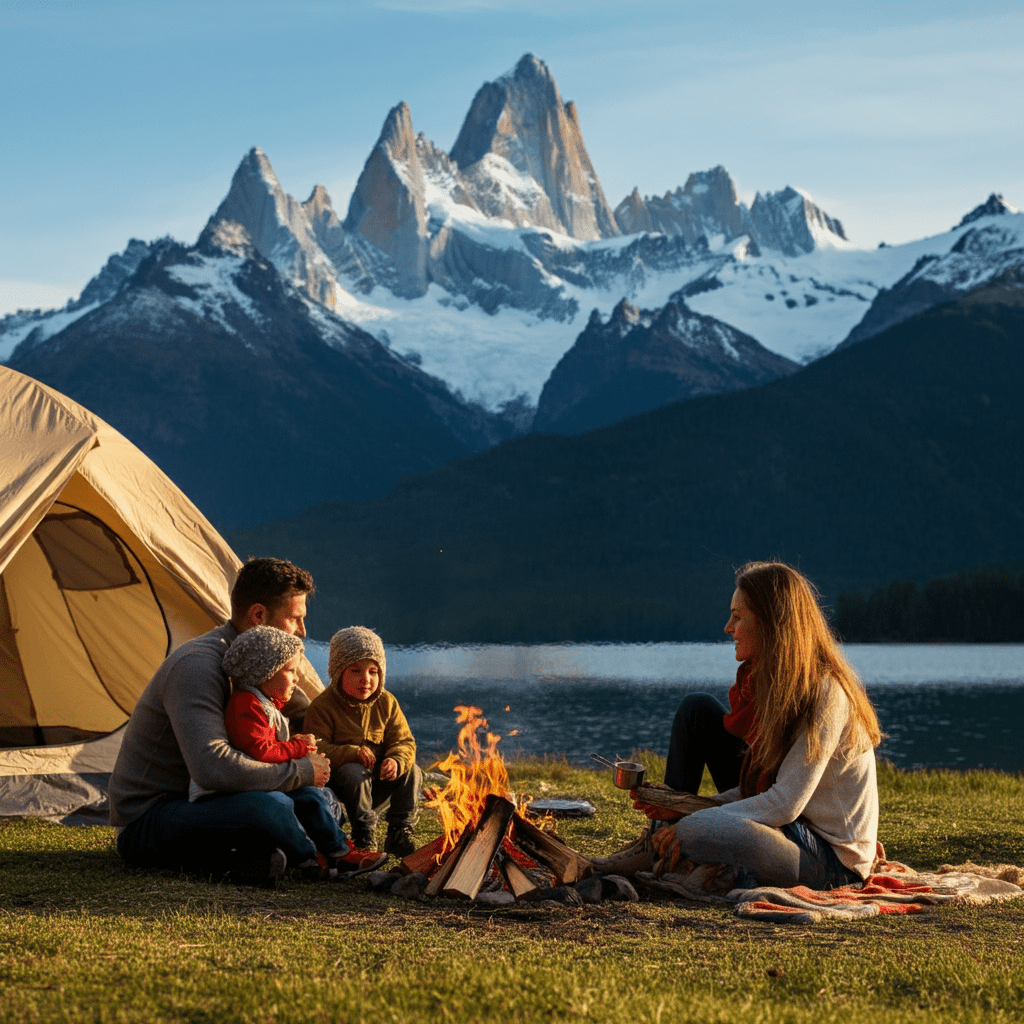
Imagine waking up to a breathtaking vista, the crisp mountain air filling your lungs. But before you can experience that, you need a reliable shelter – a camping tent that can withstand the elements and keep you cozy. That’s where this guide comes in! We’ll cut through the jargon and help you choose the perfect camping tent for your next adventure. We’ll be your campfire companions, sharing all the intel you need on different tent brands like Marmot, The North Face, and REI. We’ll also shed light on key features to consider, like weatherproofing to shield you from downpours and strong winds, and ease of use so you can set up your camp in a flash. We’ll give you the lowdown on their strengths and weaknesses. So, when you head out for your next camping trip with your family, you’ll be covered.
By the end of this guide, you’ll be a tent-picking pro, ready to embark on unforgettable camping adventures. So, grab your backpack, pack your sense of wonder, and let’s find your perfect camping tent!
The 4-Person Family Floor-Space Showdown: NEMO Aurora Highrise vs. The North Face Wawona vs. REI Co-op Wonderland
When you’re camping with a small family or a gear-heavy crew, a cramped backpacking tent just won’t cut it. You need a shelter that balances standing headroom, real-world durability, and enough weather resistance to survive an unexpected summer downpour.
Synthesizing long-term field testing from top outdoor gear authorities across 2025 and 2026, three premium standing-height models consistently battle for the crown of the ultimate 4-person family car camping tent: the NEMO Aurora Highrise 4P, The North Face Wawona 4, and the REI Co-op Wonderland 4.
While all three tents aim to eliminate the dreaded “hunchback crawl,” they execute their architectural strategies in completely different ways. Here is how they stack up head-to-head.
Everything we recommend

NEMO Aurora Highrise 4P
Product Features
The North Face Wawona 4
Product Features
REI Co-op Wonderland 4
Product Features
How we picked
- Dimensions
- Ease of setup
- Durability
- Size when packed
REI Co-op Wonderland 4
The Open-Air Breeze Tunnel
The Consensus Verdict: A massive, premium tunnel tent that maximizes floor footprint and open ventilation, ideal for warm-weather campers who want maximum room to stretch out.
NEMO Aurora Highrise 4P
The Fair-Weather Palace
The Consensus Verdict: The ultimate choice for families who prioritize vertical walls and exceptional interior volume above all else.
The North Face Wawona 4
The Ultimate Gear Garage
The Consensus Verdict: A bombproof, weather-resistant fortress that sacrifices a little bit of internal headroom to give you the best external gear storage on the market.
Head-to-Head Analysis: Which Wins for Your Family?
Interior Livability & Comfort
Winner: REI Co-op Wonderland 4 If you want the absolute maximum amount of floor space to spread out, the Wonderland takes the crown. Its square footprint yields a massive 69.4 square feet, and the tunnel shape keeps that 75-inch height consistent across the roof line. The NEMO is a close second with its steep vertical cabin walls, while the Wawona feels noticeably more confined due to its sloping rear ceiling.
Storage & Organization
Winner: The North Face Wawona 4 If your camping style involves bikes, fishing gear, muddy hiking boots, or bulky bins, the Wawona’s integrated front vestibule is an unmatched luxury. It keeps dirty gear completely outside of your clean sleeping sanctuary while keeping it 100% dry. The REI Wonderland loses badly here out of the box, offering no integrated vestibule unless you shell out extra cash for the add-on mudroom accessory.
Weather Protection & Wind Resistance
Winner: The North Face Wawona 4 For shoulder-season camping or unpredictable mountain environments, the Wawona offers a more secure anchor. Its dome-hybrid profile cuts through high winds efficiently, and its rainfly configuration provides superior protection against blowing rain compared to the high-riding fly on the NEMO or the minimalist, scalloped fly on the REI Wonderland.
Final Recommendation
Buy the REI Co-op Wonderland 4 if: You prioritize maximum floor space, love warm-weather camping with maximum cross-ventilation, and want a truly massive, open “room” feel where you can easily walk in and out of both ends.
Buy the NEMO Aurora Highrise 4P if: You primarily car camp from late spring to early fall, value standing room, want dual-door convenience, and want maximum interior room for a couple of kids or pets to stretch out without a complex setup.
Buy the The North Face Wawona 4 if: You camp in windy or wet environments, carry an immense amount of outdoor equipment, and prefer an integrated porch area to manage mud and gear.
The Research
Why you should trust us
I’m Dave Crossley, the founder and sole writer behind FishCampClimb.com. I’m an avid camper, rock climber, and fisherman who has spent years pitching tents, rigging lines, and testing outdoor gear across the backcountry and local campgrounds alike.
For This Guide:
- Deep-Dive Research: I’ve spent over 40 hours analyzing technical specifications, structural engineering, and the real-world durability of 4-person family camping tents.
- Synthesized Data: I deeply analyzed the long-term field-testing data and critical feedback published by the top five outdoor gear review authorities across 2025 and 2026, combining their expert findings with my own camping insights.
- Solo Editorial Rigor: Because I operate as a completely independent, single-author reviewer, I don’t have a corporate media room backing me. That means I personally scrutinize every single fabric denier rating, pole configuration, and rainfly shortcut to cut straight through the marketing fluff.
- Absolute Independence: I write and recommend with total editorial independence. My evaluations are driven strictly by performance, weather resistance, and build quality—never by brand partnerships or the business implications of an affiliate link.
Who this is for
If you regularly head into the outdoors with a small family, a partner, or a gear-heavy crew, and you want a shelter that allows you to stand up straight, keep your equipment dry, and survive a midnight downpour without collapsing, this is the guide for you.
Our top picks range between $350 to $430. While investing in a premium standing-height shelter represents a real commitment, buying a tent that prevents a ruined family weekend and stands up to years of rugged camp use is worth every penny.
How we picked and tested
To find the absolute best 4-person family camping tents, I didn’t just look at the glossy manufacturer photos. I established a strict set of criteria based on what actually matters when you are trapped in a tent with kids, partners, or dogs during a weekend trip.
I narrowed down the field by evaluating the top-rated models from major outdoor brands, focusing on three core metrics:
- Livability and Architecture: I looked at the usable volume, not just the square footage. Tents with steep, vertical cabin walls or consistent tunnel arches scored higher because they maximize standing room and allow you to place cots or large air mattresses right up against the edge without touching the fabric.
- Material Durability: I prioritized tents built to survive heavy foot traffic, dog claws, and abrasive terrain. I filtered for tents using high-denier fabrics—specifically looking for robust 150-denier floors—and sturdy aluminum pole architectures over cheap, brittle fiberglass.
- Weather Integration: A family tent must handle unpredictable summer storms. I evaluated the weatherproofing metrics, including polyurethane (PU) waterproof coatings, factory tape-sealed seams, and rainfly coverage, prioritizing designs that offer dedicated gear storage (like vestibules) to keep wet equipment outside the sleeping area.
For testing analysis, I synthesized field-test data from the most trusted long-term gear reviewers over the 2025 and 2026 camping seasons. I cross-referenced how these tents performed during real-world backyard setups, multi-day car camping trips, high-wind ridge exposures, and sudden torrential downpours. I noted how easy they were for a single person to pitch, how well they ventilated during humid, muggy nights, and exactly where the wear-and-tear points began to show after months of repeated use.